EN
▼
EN
▼
 English
 Français
 Deutsch
 Nederlands
 Español
 Italiano
 Polski
 Kiswahili
EN
▼
English Français Deutsch Nederlands Español Italiano Polski KiswahiliBased on 620+ Reviews
Based on 250+ reviews
Based on 250+ reviews
Based on 620+ Reviews
Kenya is a treasure trove of incredible wildlife, vibrant cities, dreamy coastlines, and awe-inspiring scenery—all waiting to be explored. Its remarkable beauty has inspired countless films and books. Step into the magic of Kenya and craft unforgettable, movie-worthy memories of your own!
Discover the beauty of Kenya, one of Africa’s most sought-after safari destinations. From world-famous wildlife and the iconic Big Five to vibrant cities, pristine beaches, and breathtaking landscapes, Kenya offers unforgettable experiences for every traveller.
Explore renowned national parks, witness spectacular wildlife encounters, relax along the stunning Indian Ocean coastline, and immerse yourself in Kenya’s rich culture and natural wonders. Let Voyage Vista African Safaris help you create lasting memories on a tailor-made safari adventure in Kenya.
Home to the iconic Big Five and the breathtaking Great Migration in the Masai Mara Game Reserve, Kenya has long stood among the world’s most renowned and beloved safari destinations. The timeless allure of watching wildlife roam across vast open plains has drawn countless travellers since the colonial era.
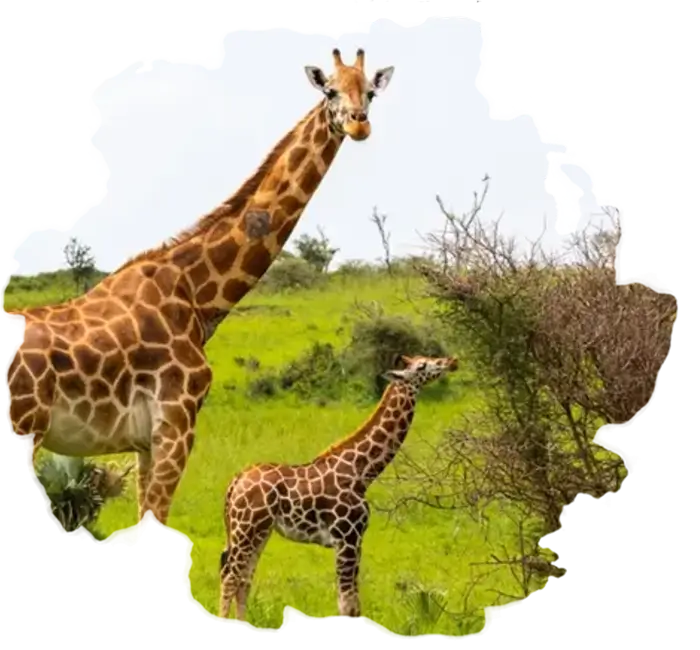
Beyond safaris by vehicle, on foot, or even by boat, bike, or horseback, Kenya offers countless exciting activities to enjoy. You can dive into the vibrant city life of Mombasa and Nairobi, unwind on the pristine white sands of Diani Beach or Chale Island, or chase a thrilling adventure by diving with whale sharks in the Indian Ocean. Kenya truly has everything you need for a getaway that gets your heart racing again and again!
Awaken early to the gentle sounds of the savannah. After a delicious breakfast, hop into your safari vehicle and set off with your private guide and driver. Prefer to start with just a coffee and enjoy breakfast after your first wildlife encounter? Absolutely—your schedule is flexible! Keep in mind, though, that just after sunrise is when the animals are most active, giving you the best chance to spot your favourites in real life.
After lunch, you can return to the lodge for some downtime or continue your adventure with a picnic on the route. Your day winds down with a classic sundowner as you take in the breathtaking sunset. After dinner, relax, relive the day’s highlights, and rest up—another exciting chapter awaits you the next morning.
Kenya is a dream destination for wildlife lovers, culture seekers, and nature enthusiasts. From safaris beneath Mount Kilimanjaro and immersive visits to Maasai villages, to discovering Mombasa and Nairobi or unwinding on the pristine white beaches of the Indian Ocean, Kenya truly offers it all.
From June to October, the weather stays mostly dry—and at times extremely hot. Most routes remain accessible, and this is when the Great Migration unfolds in the Masai Mara. As water sources shrink during these months, wildlife gathers around the few remaining waterholes, making game viewing much easier. However, aside from June, this period is considered peak season, meaning higher prices and larger crowds. The Masai Mara, in particular, can get quite crowded because of the wildebeest and zebra migration.
Between March and May, visitor numbers drop significantly because heavy rains can turn safari paths into muddy tracks that are hard to navigate. From November to February, showers are still possible, but if a bit of rain doesn’t bother you, Kenya is still a great option during this period. The scenery becomes lush, animals have plenty to eat, and migratory birds return. Plus, prices are more affordable and tourist numbers are much lower!
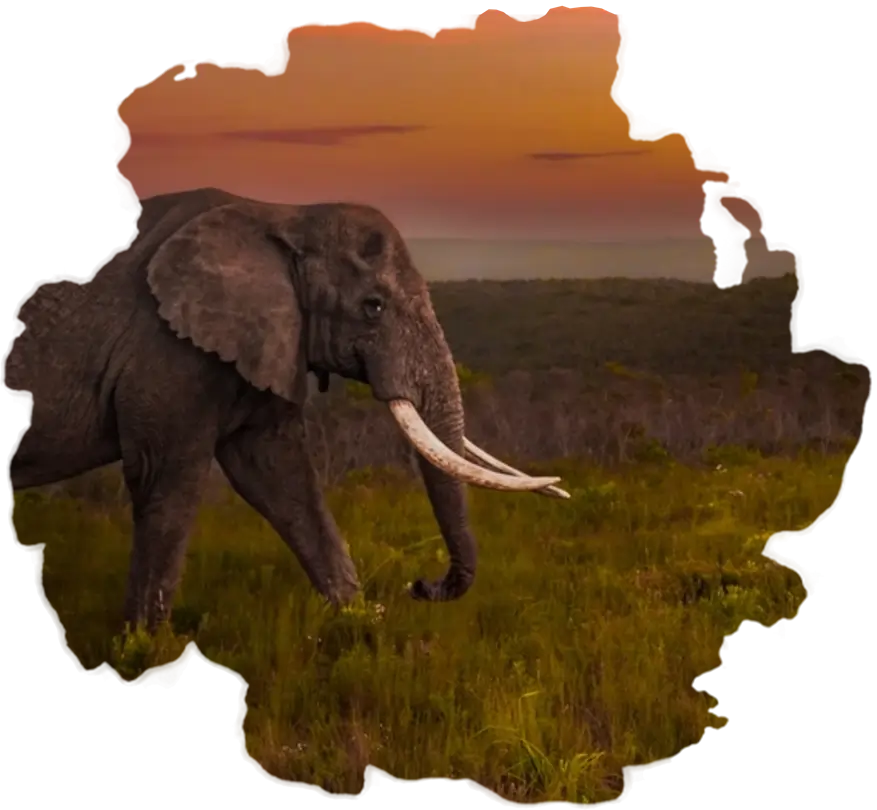
The biggest attraction—and truly deserving its place among the Seven Natural Wonders—is the spectacular Great Migration in the Masai Mara. Yet Kenya’s magic doesn’t end there. With numerous national parks and wildlife reserves, safaris here are thrilling year-round. From thriving populations of elephants, buffaloes, lions, leopards, and rhinos (yes, the full Big Five!) to an incredible variety of birds and countless other species you’ve seen in documentaries, Kenya is a dream destination for wildlife enthusiasts.
Add to that the country’s diverse landscapes: the endless plains of the Masai Mara, the lush tropical canopy of Kakamega Forest, the rugged beauty of northern parks, breathtaking views of Kilimanjaro from Amboseli, and untouched island paradises. With a range of land and water activities, you can explore and experience all these wonders firsthand.
The experience differs from one park to another. Kenya’s most famous reserves – including Amboseli, Masai Mara, Samburu, and Lake Nakuru – offer exceptional wildlife viewing and host nearly all the iconic African species you hope to encounter. If there are particular animals you’re eager to spot, just let your driver know! While sightings can’t be guaranteed, our guides know every corner of these parks and are familiar with the animals’ usual hangouts.
Some parks cater to more specific interests. Kakamega Forest is a haven for bird enthusiasts and primate fans, while Saiwa Swamp is the best place to find the elusive sitatunga, a rare swamp antelope. These destinations help you locate hard-to-see species without the usual tourist crowds. For a more exclusive safari, the conservancies in Laikipia are an excellent choice. Although they come at a higher price, they offer superb wildlife encounters with minimal visitors. Since many conservancies were once farmland, off-road driving is permitted, allowing you to get much closer to animals than in traditional national parks.
Generally, going on a safari in Kenya is considered safe, but there are a few key things to keep in mind. Cities like Nairobi—and to a lesser degree, other urban areas—are known for occasional violent crime. Most travelers don’t encounter problems, but incidents do occur. It’s best to stay alert, follow local safety guidance, limit your time in major cities, and avoid traveling after dark.
When it comes to wildlife, the risks are very low. Reputable safari operators in Kenya maintain strong safety standards, and as long as you listen to the briefings and follow the instructions given by your guide, you should have a safe and enjoyable experience.
Kenya offers a wider range of safari experiences than many other African destinations, providing excellent choices for both budget travelers and those seeking high-end luxury adventures. The overall cost of your trip will depend on the type of safari you prefer, the season you plan to visit, and how you choose to travel between parks. Road transfers are affordable and straightforward, while flying between destinations is pricier but saves valuable travel time, giving you more hours to enjoy inside the parks.
The biggest difference in pricing usually comes from the type of accommodation you select. Whether you choose a cozy tented camp or an upscale lodge, you can expect comfort, quality service, and a genuine safari atmosphere. You can also combine different options to suit your taste. When you book with Africa Safari Trips, your Kenya safari package covers accommodation, meals, park fees, and game drives. Just share your preferred destinations, stays, and activities, and we’ll prepare a free, no-obligation quote for you.
With 24 national parks, 15 national reserves, and several marine parks and protected areas, Kenya places wildlife conservation at the forefront of its priorities.