EN
▼
EN
▼
 English
 Français
 Deutsch
 Nederlands
 Español
 Italiano
 Polski
 Kiswahili
EN
▼
English Français Deutsch Nederlands Español Italiano Polski KiswahiliBased on 620+ Reviews
Based on 250+ reviews
Based on 250+ reviews
Based on 620+ Reviews
*price p.p. incl. guide, safari jeep, hotel and park entrance fees, excl. international flight (based on six persons)
Departing on Fridays and Sundays from the coastal town of Swakopmund, this 3-day & two-night accommodated safari will take you on a magical trip to one of the most beautiful places on Planet Earth, the centre of the Namib – the oldest desert in the world. From the coast, we cross the vast gravel plains that stretch inland for over 100km. We traverse high mountain passes and cross the Tropic of Capricorn on our way down to the dune fields.
A pre-dawn start to catch the soft light of sunrise as we head for Dead Vlei with its stark collection of skeleton trees, and on to Sossusvlei,the water’s end of an ancient river. We watch out for wildlife, oryx and springbok are often seen in this sandy land, but if we look and have sharp eyes, the dunes are also home to a full menagerie of reptiles, beetles, insects, rodents and birds. All these creatures are uniquely desert-adapted to survive in this waterless wonderland using super-powerful evolutionary adaptations. The Namib Desert is internationally recognised as a top biodiversity hotspot in a desert habitat.
Climbing a towering dune, 300 m from top-to-toe, is an experience unique to Namibia. Big Daddy, Big Mamma and Dune 45 are all waiting to be conquered if you are feeling intrepid and want to experience the view from such a lofty perch.
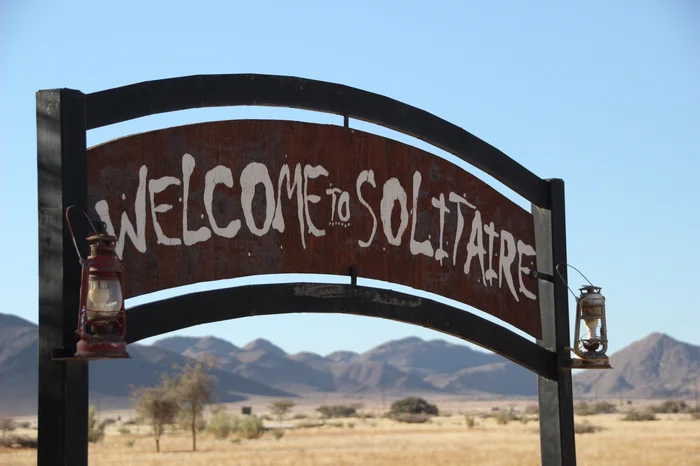
We visit Solitaire, then head homeward-bound up-and-over Rocky Mountains as we climb our way up the central plateau and across the Khomas Hochland mountains to Windhoek.
| 2 persons |
|---|
|
$ 1187.16 USD*
|
* Indicative costs per person, excluding international airline tickets
There is the option of a leisurely start this morning, as we are only leaving Swakopmund in the late morning. Your guide will collect you between 11:00 and 11:30. If you choose not to have a lie-in, Swakopmund offers many opportunities to keep us busy during our morning here. The town centre is small and easily explored on foot, but there are also many extra, optional activities available. For those with a love of adrenaline, quad biking and sandboarding are very popular, offering the thrill of careening down the slip face of a dune at 60 km/h.
Departing Swakopmund at 11h30, we head east into the desert. We first cross the Namib gravel plains, large areas of flat and seemingly barren terrain broken up by huge mountain inselbergs. We have two mountain passes to traverse this afternoon, the first is the mighty Kuiseb Pass, and we follow the road from the top of the mountains, dropping steeply down into the canyon carved over eons by the Kuiseb River on its way to debouch into the ocean at the port town of Walvis Bay. We climb up from the banks of the river and over the pass, travelling through the mountain peaks and on to the second, smaller canyon of the Gaub River, a tributary of the Kuiseb. We emerge from the mountains onto a flat road, and almost immediately we cross the Tropic of Capricorn at 23.5 degrees south. There is a signpost at this auspicious spot, and we stop along the road for photos. Onwards again to our destination for today. We aim to arrive in the late afternoon, and there will be time for a short walk to see the sun dip below the impressive Naukluft Mountains.
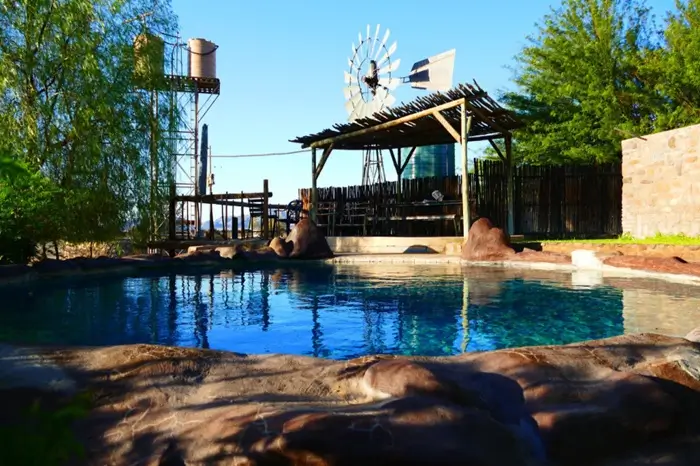
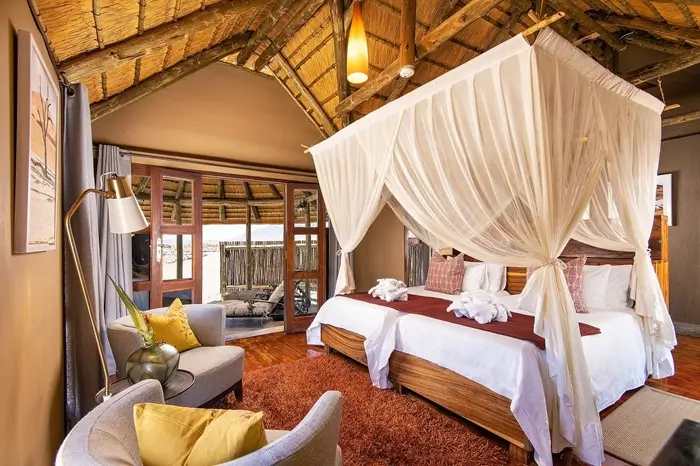
Our goal is to enter the dune area as early as possible this morning, which means a pre-dawn start and breakfast on the go. As we are staying outside the National Park, we will enter the dune area as soon as the gate opens at sunrise.
The best time to photograph the dunes is early morning. This is when you can see towering dunes illuminated a glowing orange, apricot red on one side and swathed in shadow on the other. The depth of the field is spectacular at this time of day. From Sesriem, we cover the 60 km into the dunes quickly and arrive at the 2×4 car park where all 2-wheel drive vehicles have to stop. From here, we enter the ancient Tsauchab River bed for the last 5km leg to Sossusvlei itself.
The Tsauchab River is ephemeral; it only flows seasonally, when there is enough rain, and for the most part, the riverbed is dry. Aeons ago, during these rare floods, the Tsauchab sometimes received enough water to flow to the Atlantic Ocean. However, as the millennia passed and the dune fields began to form (around five million years ago), wind-blown sand invaded the riverbeds. The rivers became increasingly constricted by sand until eventually the occasional floods could no longer break through the sand barriers that had been formed by the wind. The valley we drove along this morning to get here is kept free of sand by the Tsauchab, but Sossusvlei is now permanently water’s end. Sossusvlei does still sometimes flood (perhaps once in a decade). After good rains in the Naukluft Mountains, where the river rises, Sossusvlei can become inundated, and the lake that this creates can last for many months, but no longer can the river find its original path to the Atlantic.
There is a 4×4 shuttle service that will transport us through the sandy terrain of the riverbed. We will visit Dead Vlei, an ancient pan surrounded by dunes, which is strikingly populated with dead, skeletal camel thorn trees. These trees have been a feature of this landscape for over 1000 years. Sossusvlei is almost surrounded by dunes, just one narrow path kept open by the Tsauchab River. We have time to explore the area on foot and to climb one of the highest dunes in the world, some towering 300 m above us, the views are breathtaking and justly famous. We drive back the way we came (there is only one road), stopping at the iconic Dune 45 (so named as it is 45 km from Sesriem. There is time to climb Dune 45 if you still have energy, or perhaps just sitting in the shade at the base of the dune will suffice.
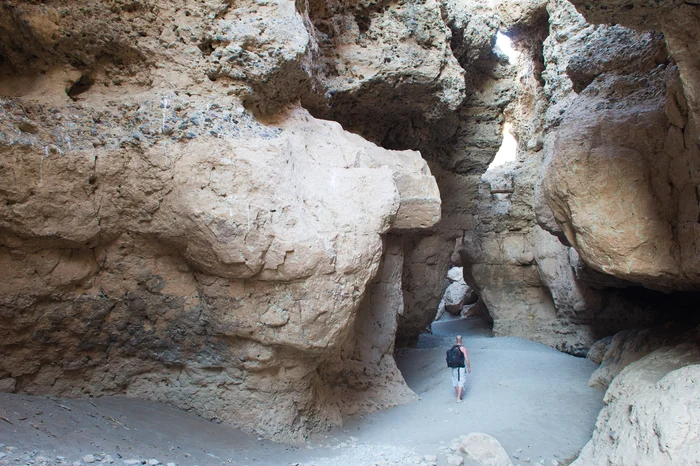
Driving back to Sesriem, we take a short excursion to see the Sesriem Canyon. Only four km from Sesriem, this canyon has been carved out of the landscape by the Tsauchab River. Around two million years ago, there was an ice age in Europe. This caused glaciers to form and resulted in a worldwide drop in sea level. The knock-on effect of this at Sesriem Canyon was that it increased the length and water flow of the Tsauchab River. This greater force of water allowed the Tsauchab to begin cutting through the terrain, resulting in the canyon we can see today. We can easily walk into the riverbed, it is usually much cooler in the canyon, and we can follow the river for some way along its journey to Sossusvlei. We head back to our accommodation in the late afternoon.
Our last day today, but excitement is still on the menu. We head back to Solitaire, and our guide will get us a sample of the apple pie that has made this homestead famous.
There is some lovely mountain scenery on our drive back to Windhoek. The road climbs up onto and over Namibia’s central plateau, and we return to Windhoek via the small community of BűellsPort and the small town of Rehoboth. We arrive mid-afternoon and will be dropped at the accommodation of our choice within Windhoek city limits.
At Voyage Vista African Safaris, you have complete freedom to tailor your adventure. Our sample itineraries are fully flexible and can be customized to match your interests. Our travel experts collaborate closely with you to design the perfect journey of your dreams.
Experience expert private guides, well-equipped private jeeps, customizable itineraries, and exceptional customer care. Our thorough trip planning allows you to travel completely stress-free. We truly are your ideal partner for a memorable journey supported by top-quality service.