Wondering when to visit Kenya? The truth is—anytime works!
Kenya’s climate makes it an excellent safari destination throughout the year. Although the country experiences two dry seasons and two rainy seasons, along with cooler and warmer periods, every season brings something unique.
If you prefer fewer crowds and want to keep costs down, the rainy season is your best choice. You may encounter some showers, but you’ll also enjoy cooler temperatures, lush green landscapes, and far fewer tourists.
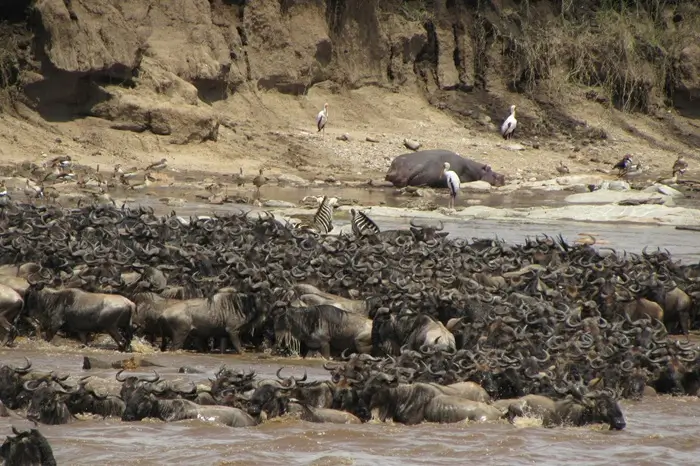
If spotting large wildlife herds is your priority, the dry season is perfect—especially September and October. During these months, animals gather at rivers and water sources, making them easier to see. Plus, September and October mark the Great Migration in the Masai Mara, offering unforgettable views of thousands of animals on the move.
Kenya experiences two rainy seasons—a short one in November and a longer one from April to May. These periods bring occasional brief or extended showers, though it rarely rains for an entire day. Some roads may become harder to access during this time. Still, travelling in the wet season offers several benefits:
Vibrant landscapes with blooming flowers and lush green vegetation
Excellent opportunities for birdwatching
Wildlife in healthy, thriving condition
A chance to witness true tropical downpours
More affordable safari prices
Fewer visitors, resulting in a quieter and more personal safari experience
June to October, December, January and February. These months are popular with tourists, which leads to hotels charging high rates. Around Christmas and New Year’s (22 December to 10 January) hotels might charge a peak rate.
 EN
▼
EN
▼
 English
 Français
 Deutsch
 Nederlands
 Español
 Italiano
 Polski
 Kiswahili