EN
▼
EN
▼
 English
 Français
 Deutsch
 Nederlands
 Español
 Italiano
 Polski
 Kiswahili
EN
▼
English Français Deutsch Nederlands Español Italiano Polski KiswahiliBased on 620+ Reviews
Based on 250+ reviews
Based on 250+ reviews
Based on 620+ Reviews
For many people, Africa remains a bit of an unknown, and travellers often aren’t sure what to expect when visiting. That’s why we’ve compiled helpful tips for both first-time explorers and seasoned travellers. With this guidance, you can board your flight feeling relaxed and focus solely on the incredible wildlife and breathtaking scenery that await you!
Kenya is a tropical destination, so certain vaccines are advised before your trip—Hepatitis A and Yellow Fever are the most common. Malaria has become far less prevalent in recent years, but many travellers still choose to take malaria tablets and use mosquito repellent in the evenings. It’s also a good idea to bring a few long-sleeved shirts and trousers if you plan to spend time outdoors at night. Most lodges provide mosquito nets to help keep you protected while you sleep.
Please note, we’re not medical professionals. Always consult your doctor or local health clinic for the latest health recommendations before travelling to Kenya.
Kenya is a richly multilingual nation where both Swahili and English hold official status. Nearly everyone speaks the two languages, often blending them together or mixing them with their local tribal languages.
Kenyans are known for their warmth and friendliness. Locals often strike up conversations with visitors without hesitation. Sharing food is a valued tradition, and it’s common for people to invite you to join them for a meal. Street vendors will certainly try to offer you their goods, but they’re generally polite and not overly aggressive. Greetings are an important part of daily life, with various forms used, and the reply often differs from the initial greeting. Here are some of the most common ones:
“– Habari!” → “– Nzuri.”
“– Mambo!” → “– Poa!”
“– Jambo!” → “– Jambo.”
Many travellers heading to Africa often wonder about safety—“Is Kenya safe to visit?” Our answer is simple: absolutely, YES.
Kenya is generally very safe, especially for travellers joining organised safaris and guided tours like the ones we offer. Just like any major city around the world, areas in Nairobi and Mombasa have spots you should avoid. With basic precautions, you’ll have no issues. We recommend using a driver if you go out at night rather than walking alone. Avoid wearing flashy jewellery and always keep your belongings secure.

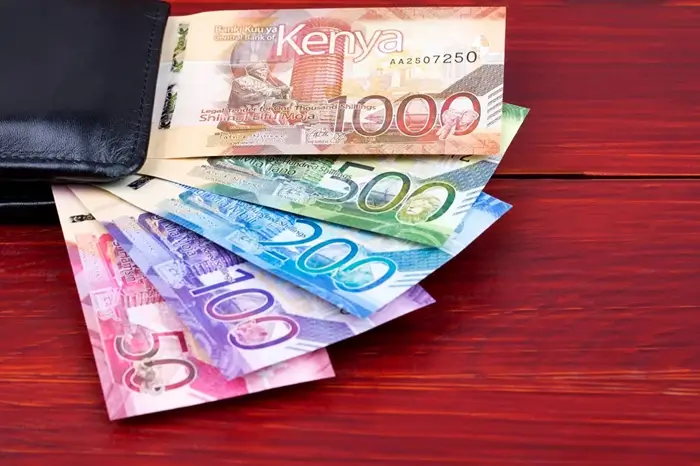
The Kenyan Shilling is Kenya’s official currency and the one most commonly used, even though many hotels also accept US dollars. One USD equals roughly 110 Kenyan Shillings. Credit cards are widely accepted, but it’s still a good idea to carry some Kenyan Shillings with you.
You must have an approved eTA (Electronic Travel Authorisation) to enter Kenya. Make sure to apply for it online before your trip through the official government eTA portal.
The eTA fee is 34.09 USD and it remains valid for three months. You will also need a valid travel document, which must be valid for at least six months beyond your final travel date.
In Kenya, there is a traditional Swahili method of timekeeping that differs from the Western system. The day begins at 6 a.m., which they consider the first hour, and they count forward from there. This means 7 a.m. is referred to as saa mmoja (1 o’clock), while 1 p.m. becomes saa saba (7 o’clock). Likewise, 6 p.m. is saa kumi na mbili (12 o’clock), and once it hits 7 p.m., the count resets back to saa mmoja again.
If you have any questions, please contact us.