EN
  • English
  • Français
  • Deutsch
  • Nederlands
  • Español
  • Italiano
  • Polski
  • Kiswahili

Weather in Uganda

Weather in Uganda

Warm sunshine, comfortable temperatures, and a tropical climate define Uganda’s weather, thanks to its position near the equator. The country experiences two dry seasons and two wet seasons, and since weather often influences travel plans, we’ve outlined the benefits of each season—more on that shortly.

Daytime temperatures typically fall between 24°C and 33°C. In the northern regions, heat can soar up to 40°C, while nighttime temperatures may drop to around 16°C in lower areas and even reach 7°C in higher elevations.

Although temperatures remain fairly consistent year-round, there is a slightly hotter period, with January and February being the warmest months. From June to August, the weather becomes cooler, and depending on your altitude, you might even feel a noticeable chill.

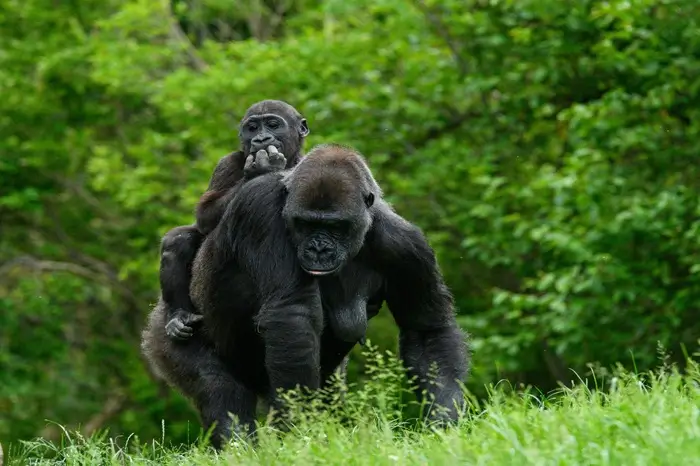
This is particularly important if you’re heading for gorilla or chimpanzee trekking, as these primates live at high altitudes. In these mountain regions, nighttime temperatures can fall to 7–8°C, so be sure to bring warm, comfortable clothing for your adventure!
GORILLA TREK DA

dry seasons

The dry seasons occur from June to August and again from December to February. The most popular time for safaris and trekking is during the dry months of June, July, and August, which conveniently overlap with summer holidays in the northern hemisphere.

In these dry periods, wildlife naturally gathers around rivers and waterholes, and the vegetation becomes thinner—making animal sightings much easier. If you’re planning to trek or take nature walks, you’ll enjoy drier trails with only the occasional light shower.

However, these dry months are also peak tourist season, so national parks tend to be busier and prices higher. Activities like gorilla and chimpanzee trekking become especially in demand, making permits harder to secure. If these experiences are on your itinerary, it’s best to plan and book well in advance.

rainy seasons

Uganda experiences two rainy, or wet, seasons: one from September to December and another from March to May, with the most intense showers typically occurring in April and October. The northern part of the country, being outside the tropical zone, has only one wet season from March to October. In contrast, the northeast has a semi-arid climate and can face occasional droughts.

These rainy months transform the country into a vibrant, green paradise, which is why many TV crews choose this time of year to film wildlife documentaries. Tourist numbers are generally lower, and prices for safaris and lodges tend to drop, making it a great time to visit if you don’t mind some mud and rainfall. It’s an excellent season to explore Uganda’s natural beauty.

However, because trails become muddy and the vegetation grows thicker, this period isn’t the most suitable for gorilla or chimpanzee trekking. Despite the tougher terrain, spotting primates can still be easier since they have abundant fruit nearby and don’t need to move far into the forest.

Are there mosquitoes in Uganda?

Uganda’s warm, tropical weather creates the perfect environment for mosquitoes to thrive. To avoid uncomfortable bites, it’s wise to pack long-sleeved clothing and full-length trousers. While many lodges and hotels provide mosquito nets, carrying your own repellent is still highly recommended. With these simple measures, you can enjoy your trip without the hassle of mosquito bites.

If you have any questions, please contact us.